
Breaking Down Transport Costs Before You Leave
Learn how to estimate flights, local transport, and getting around your destination. Understand the hidden costs that catch families off-guard.
Set up a daily budget that actually works. Includes templates for meals, activities, and incidentals, plus tips for keeping your family on track without constant monitoring.


You’ve saved for months. You’ve booked the flights, sorted the accommodation, and planned your itinerary. Then you land, and reality hits — everything costs more than you expected. A coffee here, a spontaneous activity there, and suddenly you’re watching your carefully calculated budget disappear.
The truth is, most families don’t actually know how much they spend on holiday until they’re home and reviewing the credit card statement. By then it’s too late. A daily spending plan changes that. It’s not about being stingy or tracking every dollar obsessively. It’s about having a realistic framework that lets you enjoy your holiday without financial stress.
Here’s what we’ll cover: how to calculate a sensible daily budget, the key spending categories that catch families off-guard, templates you can actually use, and strategies for staying on track while keeping the fun alive.

Let’s be real: calculating your daily budget isn’t complex maths. It’s actually straightforward once you know what you’re working with.
Start here. Add up everything you’ve already paid before departure — flights, accommodation, activities booked in advance. That’s your fixed costs. Now take your remaining spending money and divide it by the number of days you’re away. That’s your baseline daily budget.
Example: You’ve got 10 days in Bangkok. Flights and hotel cost 1,200. You’ve budgeted 500 total for the trip. That leaves 500 for 10 days — or 50 per day for food, transport, and activities combined. Is that realistic for your family? If not, you know you need to adjust something before you go.
Total remaining money Number of days = Daily budget target
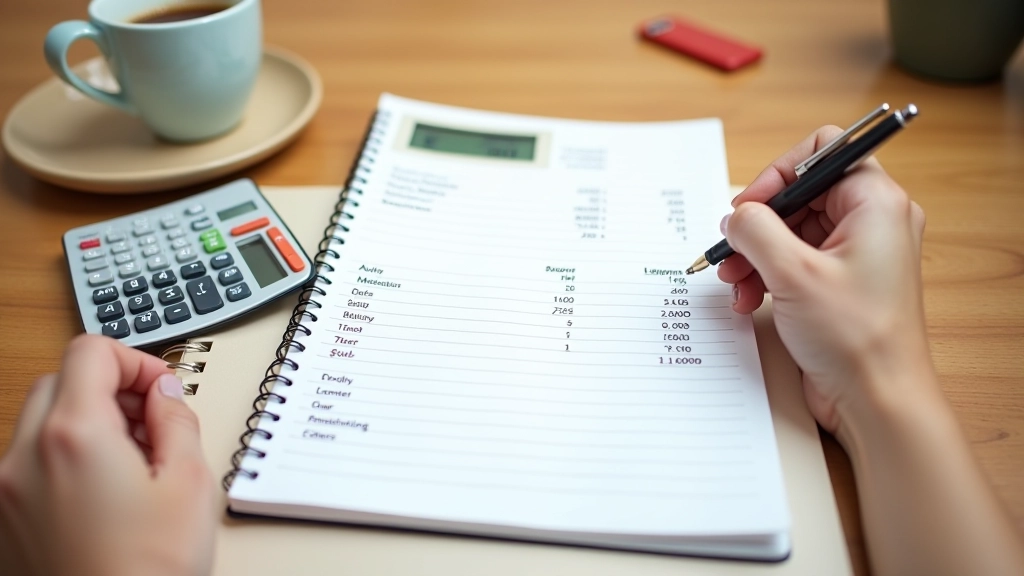
Most families underestimate certain categories. Here’s where the money actually goes.
This is where budgets crack. Three meals plus snacks and drinks adds up quickly. Budget 30-40% of your daily allowance here. Street food is cheaper, but tourist restaurants are pricier than you think.
Taxis, tuk-tuks, buses, trains. Don’t forget this. In many destinations, a single taxi ride can cost more than you budgeted. Buy transport passes if available — they’re usually better value.
Museum entries, tours, temple visits, adventure activities. These are discretionary, but kids love them. Budget separately and you won’t feel guilty saying “not today” when prices are high.
Gifts, clothes, trinkets. Set a limit before you leave or you’ll blow the budget. Kids want everything — having a clear “souvenir allowance” per person makes decisions easier.
Medication, lost items, phone chargers, unexpected costs. Always keep 10-15% of your daily budget as buffer. It’ll save stress when something unexpected happens.
Depending on your destination, tipping customs vary widely. Research local norms. This is often forgotten and it adds up fast.
Here’s where theory becomes practical. You need something simple you can actually use — not a complicated spreadsheet that takes 30 minutes to update.
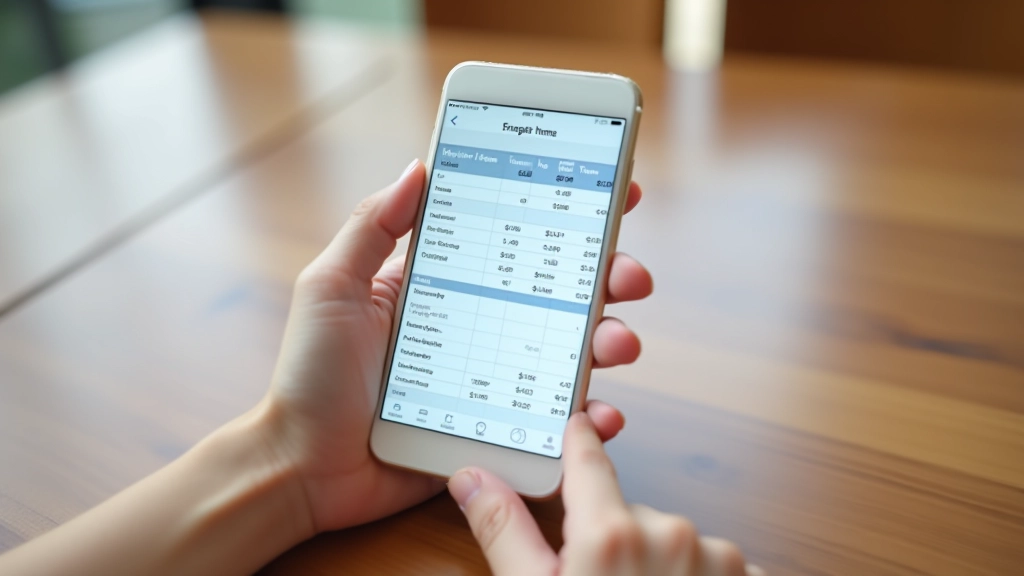
Create a simple tracker. We’re talking basic: a column for the date, columns for each spending category, and a daily total. That’s it. You don’t need to be perfect — just honest about what you’re spending.
Track spending each evening or every few days. Don’t wait until you’re home. Seeing the numbers in real-time is what keeps you aware without being obsessive.
A budget is only useful if you actually stick to it. But sticking to it shouldn’t mean no fun or constant arguments about money. Here’s how families actually stay on track.
Use cash for daily spending. This sounds old-fashioned, but it works. Withdraw your daily budget in local currency each morning. When it’s gone, it’s gone. You can’t overspend. Cards make it too easy to rationalize “just this once.”
Give kids their own allowance. Rather than you approving every souvenir or snack purchase, give each child a set amount for the entire trip. They decide how to spend it. You’re not the bad guy, and they learn real decisions about money.
Build in one “free day.” A day where you don’t track spending or worry about the budget. You’ve still got a limit (don’t go wild), but it removes the pressure. You’ll enjoy your holiday more and everyone stays happier.
Plan meals partly in advance. Eating at a restaurant for every meal is expensive. Some families eat breakfast at their accommodation, eat lunch cheaply from markets, and splurge on dinner. Others do the opposite. Know your pattern and budget accordingly.
Research free activities. Most destinations have free walking tours, public beaches, parks, markets. These aren’t cheap thrills — they’re often the best experiences. They also save money and give you flexibility if spending’s been high.
This guide is informational and based on general travel planning practices. Actual daily costs vary significantly by destination, season, and personal preferences. Exchange rates, local inflation, and unexpected circumstances can affect your spending. We recommend researching your specific destination’s current prices and consulting local tourism resources. Always maintain a financial buffer beyond your planned budget for emergencies.
A daily spending plan isn’t about deprivation. It’s about clarity. When you know exactly where your money’s going, you can make conscious choices instead of reactive ones. You’ll come home without the shock of a massive credit card bill, and that’s worth the small effort of tracking.
Start simple. Use the template approach we’ve outlined. Adjust it based on what works for your family. By day three of your holiday, it’ll feel natural. And you’ll have the peace of mind that comes with staying in control — which is honestly the best souvenir you can bring home.